There’s a specific kind of uneasy feeling that comes with buying, renting, or inheriting a property when you don’t fully know its past. Maybe the price seemed a little too good. Maybe a neighbor mentioned something in passing you can’t quite shake. Or maybe there’s no red flag at all, just a gap in the paperwork that makes you want an actual answer instead of an assumption. That’s usually where meth residue testing Missouri property owners ask about starts, not from panic, just from wanting to know for certain rather than guessing.
It’s worth saying upfront that wanting this kind of testing doesn’t mean you suspect the worst. Most people who call us aren’t convinced something happened, they just noticed a gap in a property’s history and would rather close that gap than live with it. That’s a completely reasonable instinct, and it’s exactly what this kind of testing is built for.
What This Testing Actually Measures
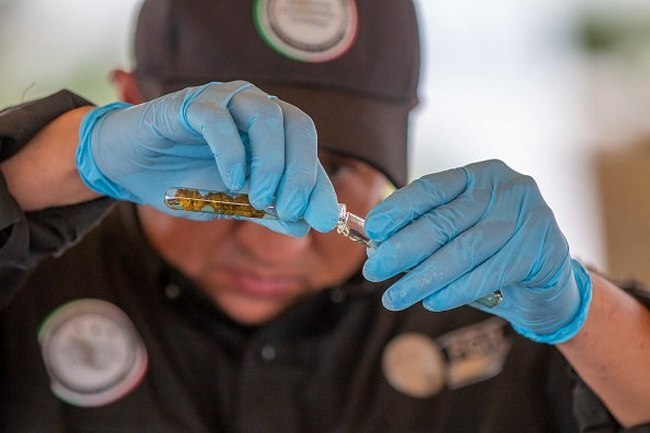
Narcotics residue testing, most commonly a meth residue test, looks for chemical residue left behind on surfaces from drug manufacturing or heavy use. This isn’t something you can eyeball. There’s rarely a visible sign, and any smell that might have lingered during active use is typically long gone by the time a property changes hands. The only way to actually know is direct surface sampling, tested against established contamination thresholds rather than a guess based on a property’s reputation or history.
Samples are typically pulled from surfaces most likely to hold residue over time, walls, countertops, cabinetry, and components of the HVAC system if one’s present. Lab analysis then compares what’s found against the specific thresholds Missouri uses to define contaminated versus acceptable levels. What you get back isn’t a vague yes or no. It’s an actual measured result, which is what makes the report genuinely useful rather than just reassuring.
It helps to understand why porous materials matter so much here. Drywall, carpet, insulation, even certain types of cabinetry can absorb residue over time in a way that hard, sealed surfaces don’t. That’s part of why a thorough test looks beyond just the obvious surfaces, since residue can sit somewhere less visible for years without ever showing itself on a countertop or a wall someone might wipe down regularly.
There’s also a timing element people don’t always think about. Manufacturing residue and residue from heavy personal use don’t necessarily behave the same way over time, and a good sampling plan accounts for that difference rather than treating every situation identically. This is part of why experience and proper protocol matter here just as much as they do with any other kind of environmental sampling.
Why Someone Ends Up Requesting This
A handful of situations tend to bring people to this specific test. Foreclosure and auction purchases come up often, simply because the ownership history on these properties can be harder to fully trace than a standard resale. Landlords sometimes request it between tenants, particularly after a lease that raised any concerns worth following up on. And every so often it’s simply someone who heard something about a property’s past secondhand and would rather have a documented answer than carry an unresolved question around indefinitely.
None of these situations require suspecting the worst going in. Testing exists precisely so nobody has to rely on a hunch either way. And honestly, the outcome people are hoping for most of the time is a clean result, which is exactly what comes back more often than not.
There’s a fourth situation worth mentioning too, one that comes up less often but matters when it does. Sometimes a family inherits a property from a relative and simply doesn’t know what happened in that home over the years, particularly if the relative lived alone or the family wasn’t closely involved toward the end. Testing in that situation isn’t about suspicion of the person who passed. It’s about making an informed decision before moving in, renting it out, or putting it on the market, rather than carrying forward an assumption in either direction.
How This Fits Into a Broader Inspection
For buyers already going through a real estate environmental inspection, narcotics testing is often worth folding into the same visit rather than treating it as a separate appointment down the line. It’s one more piece of the same due diligence process, alongside whatever else is already being checked, and bundling it in tends to be more efficient than circling back later if a question comes up after closing. If you’re weighing what to include in that broader inspection, we’ve laid out more of that thinking in our guide on real estate environmental inspections, which covers how these pieces typically fit together.
More broadly, this kind of testing fits under the same umbrella as other environmental testing we handle, situations where something about a property needs a documented, unbiased answer rather than a guess. You can see the fuller scope of what that covers on our services page.
What Makes an Independent Result Actually Matter Here
This is one of those services where who’s doing the testing matters just as much as the test itself. A result tied to narcotics use carries real weight, financially and sometimes legally, and it needs to come from someone with nothing riding on which way the number comes out. SQS Services inspects and tests only. We’re not connected to any cleanup or remediation service, and we never will be, so there’s no incentive built into the process either direction. What you get is simply what’s actually there, whether that turns out to be a clean report or one that flags something worth knowing before you move forward.
Our team’s ACAC CMI, IICRC, and HAZWOPER certifications back that same standard here too. It’s the same training and the same documentation approach we bring to a mold inspection or an air quality test, just applied to a different kind of contamination question. That consistency matters, because it means the report you get isn’t shaped differently depending on which type of test prompted the visit.
What Happens If Something Comes Back Positive
A positive result isn’t the end of the road, it’s simply the point where you have something concrete to act on. The report identifies where residue was found and at what level, which gives you what you need to consult with a licensed decontamination specialist if that becomes necessary, or to renegotiate a purchase, or simply to make an informed decision about a property you already own. Because SQS Services doesn’t perform any remediation or decontamination work ourselves, there’s no pressure shaping how that result gets delivered or explained. It’s handed over exactly as it is, and what happens next is entirely up to you.
Getting This Scheduled
If a property’s history feels uncertain, or you’d just rather have an actual answer than an assumption, this is a straightforward test to add to whatever inspection process you’re already going through. We cover Springfield MO, Joplin MO, and Fayetteville AR, and you can confirm coverage for your specific area on our areas we serve page.
Schedule narcotics residue testing with SQS Services and get a documented answer instead of a guess.