Stacy Beasley, CSMI | Springfield Quality Services | Carthage, MO
I get asked about mycotoxin testing regularly. Usually, it comes up after someone has spent weeks reading online forums, watching YouTube videos, or talking to a functional medicine doctor who mentioned that their symptoms could be related to mold toxins. By the time they call me, they are convinced they need the test. Sometimes they are right. But honestly? A lot of the time they are not — at least not yet.
That is not me dismissing their concern. The concern is usually valid. It is more that the test they want to run will not actually answer the question they are trying to answer.
And in this field, that happens more than it should.
So here is what I wish more people understood before spending money on environmental testing.
Mycotoxins Are Not the Same Thing as Mold
This sounds basic, but it trips people up all the time. Mold is a living organism. Mycotoxins are chemical compounds that certain molds produce. They are a byproduct, not the organism itself.
Why does that matter? Because the two do not always go together. A building can have elevated mold spore counts and zero meaningful mycotoxin contamination. And a building can test relatively clean for mold spores but still have mycotoxin residue from a previous infestation that was never fully addressed. The biology is complicated, and the tests that detect mold spores are not designed to detect mycotoxins.
Not all molds produce mycotoxins either. The ones that tend to get the most attention
— Stachybotrys chartarum (black mold) and Chaetomium being the most well-known — are real concerns. But the vast majority of mold species that show up in standard air sampling do not produce toxins at all. Seeing mold in a lab report does not tell you whether toxins are present.
So, What Does Mycotoxin Testing Actually Tell You
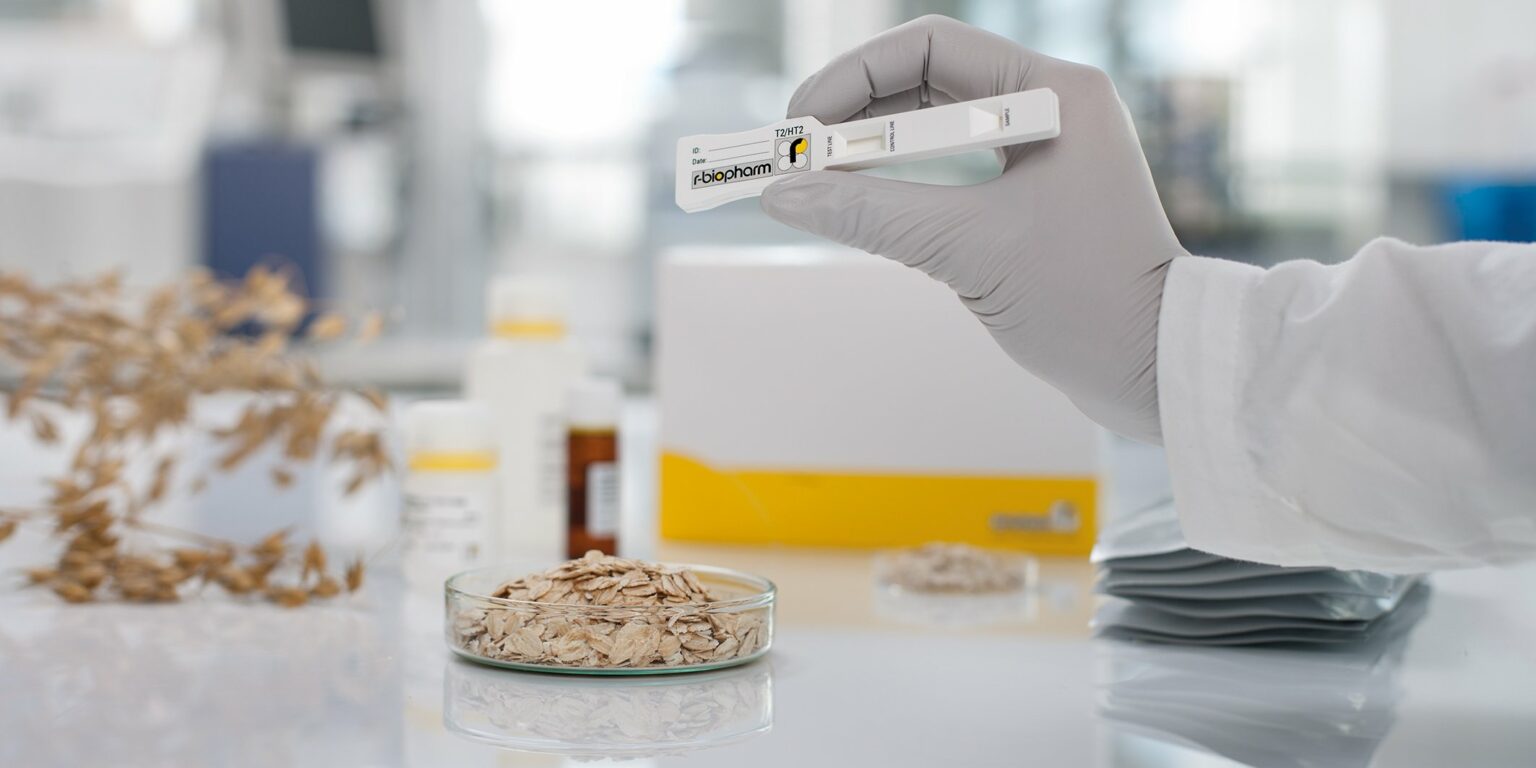
A mycotoxin test is looking for chemical compounds in a specific environmental sample, whether that is air, dust, or a surface swab. A positive result means those compounds were present in that sample at that time. That is genuinely useful information — but only if you know what to do with it.
Here is where I see people get stuck. They get a positive mycotoxin result and then they do not know where the contamination is coming from, whether it is actively being produced or is residue from old growth, or what remediation would even look like. The test answered one question and opened up four more.
Compare that to starting with a thorough mold inspection that identifies the contamination source, traces the moisture problem driving it, and gives you a clear picture of where the mold is and how it is getting into the living space. From there, a decision about whether to add mycotoxin sampling is a lot more informed.
The Part Nobody Talks About: Exposure Pathways
Finding mold or mycotoxins in a building does not automatically mean the people inside are being exposed. I know that sounds counterintuitive, but it is true, and it matters a lot for how you prioritize testing.
Contamination needs a route to reach you. We call that an exposure pathway. Mold growing inside a sealed wall cavity is a problem, but if there is no mechanism for air from that cavity to circulate into the rooms where people are spending time, the immediate exposure risk is very different than if that same mold is in the HVAC system moving air through every room in the house.
A good environmental inspection evaluates these pathways. It asks: where is the contamination, how is air moving through this building, and is there a realistic route for contaminants to reach the people living or working here? Testing without that context can lead to decisions that miss the actual exposure risk entirely.
When Mycotoxin Testing Is Worth It
There are definitely situations where I recommend it. If a client has had mold remediated and symptoms are still not improving, mycotoxin sampling can help determine whether residual contamination is still present. If inspection identifies growth from a known toxin-producing species, sampling helps document the extent of the problem and can guide remediation scope.
I also recommend it when someone has a compromised immune system or a documented sensitivity and they need a thorough picture of what is in their environment — not just spore counts but the full biological load. For that we do both air and surface mycotoxin sampling, which gives a more complete picture than either method alone.
But in most cases, it is not the right starting point. It is a tool that becomes most useful once you already have a solid understanding of the building.
The Order of Operations That Actually Works
I think of environmental diagnostics the same way a good doctor thinks about a patient workup. You do not order every available lab test on day one. You take a history, you examine the patient, you form a hypothesis, and then you order the tests that will help you confirm or rule out what you suspect.
For a home, that looks something like this. Start with a thorough visual inspection of the entire structure, paying particular attention to areas where moisture problems are most likely. Identify where water is getting in and where it is going. Evaluate how air moves through the building and whether there are pathways that could carry contaminants into occupied areas. Then, based on what that investigation turns up, decide which sampling methods will actually answer the remaining questions.
That approach tends to cost less overall, produce more actionable information, and lead to better outcomes than leading with testing.
A Word on Cost
Environmental testing is not cheap, and families dealing with potential mold illness are often already stretched thin. I am not going to pretend that does not matter, because it does.
One of the most useful things an experienced indoor environmental professional can do for you is help you figure out which tests are worth running given your specific situation. If someone is recommending an extensive testing panel before they have even looked at your building, that is worth questioning. Good diagnostics are targeted, not exhaustive.
The CDC’s guidance on mold in the home makes the same point: the most important step is finding and fixing the moisture source, not running tests.
What to Do If You Are Not Sure Where to Start
If you are dealing with a mold concern, whether it is visible growth, a musty smell, symptoms you cannot explain, or a home with a history of water damage, the best first step is a comprehensive inspection by someone who will look at the whole picture rather than just pull out a sampling kit.
Our Home Health Assessment is designed exactly for this. We look at the building as a system, identify where problems exist and why, and then make targeted sampling
recommendations based on what we find. If mycotoxin testing makes sense given what we see, we will tell you. If it does not, we will tell you that too.
You can reach us at (417) 323-6235 or through our contact page. We are happy to talk through your situation before you commit to anything.